Combination Treatments, Skin Boosters, and Sunscreen: A Pro Guide to Post-Procedure Care
From injectables to at home devices, the field of aesthetic medicine has grown more complex. Patients now face a dizzying array of options. Combination treatments, smarter sun protection, and advanced skin boosters make results better than ever. This guide walks you through seven key areas. Each section gives you specific timelines, product names, and pro tips. You will learn what works, what to avoid, and how to protect your investment.
Multi Modality Approaches
Why Combine Treatments?
Exploring combination treatments has changed aesthetic medicine. Using multiple modalities in a single session or treatment plan has become the standard of care. Aging happens on multiple fronts at once. Addressing only one issue leaves others untouched.
What a Typical Plan Looks Like
A typical combination protocol might include Botox for dynamic wrinkles, dermal fillers for volume loss, and a skin booster like Profhilo for skin quality. These are coordinated across a treatment timeline. For example, you might get filler first to restore lost volume. Two weeks later, add Botox to relax overactive muscles. Two weeks after that, receive Profhilo to improve skin texture.
Synergy and Timing
The advantage of combination treatments is synergy. Botox relaxes the muscles that cause wrinkles while fillers restore the volume beneath them. Together, they produce a more comprehensive result than either treatment alone. A practical tip: schedule a single consultation to map out your entire plan. Bring photos of yourself from five years ago. This helps the practitioner see where volume has shifted.
Practitioners typically space treatments two to four weeks apart. This allows healing and accurate assessment of each modality's contribution. Do not rush the timeline. Injecting everything in one day increases swelling and makes it hard to know what worked.
Cost and Maintenance
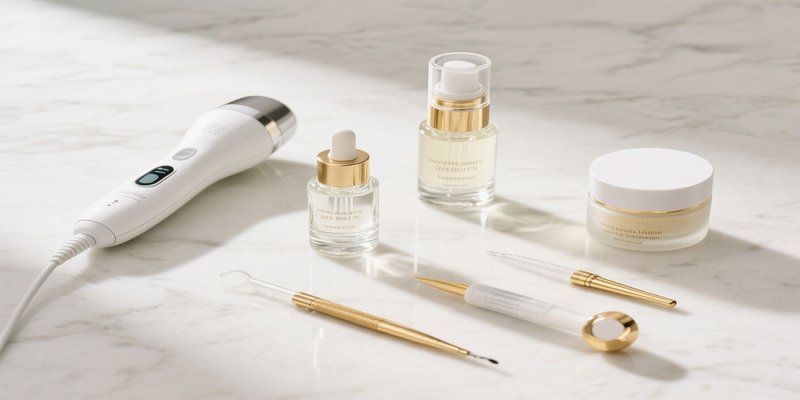
Cost for a comprehensive combination plan ranges from 2,000 to 5,000 for the initial series. Maintenance treatments cost less, usually 1,000 to 2,500, every six to twelve months.
The most important consideration is practitioner expertise. Combining treatments requires a thorough understanding of facial anatomy and how different modalities interact. Ask your provider how many combination plans they perform each month. A good answer is at least five to ten.
Sun Protection
Why Physical Sunscreens Win After Procedures
High SPF sunscreens for post procedure protection need to deliver maximum UV defense while remaining gentle on compromised skin. EltaMD UV Clear SPF 46 is the dermatologist standard for post procedure care. Its formula contains 9 percent zinc oxide for physical UV blocking. It also includes niacinamide and lactic acid to calm inflammation.
SkinCeuticals Mineral Matte UV Defense SPF 30 uses a transparent zinc oxide that does not leave a white cast. This makes it practical for daily use under makeup. For the highest protection level, La Roche Posay Anthelios Mineral Ultra Fluid SPF 50 combines zinc oxide with titanium dioxide. It comes in a lightweight fluid that absorbs quickly, even on oily skin.
After laser treatments or deep chemical peels, physical sunscreens are preferable to chemical ones. Chemical sunscreens require absorption into the skin, which can sting and irritate. Physical sunscreens sit on the surface and block UV rays mechanically.
Application Rules You Cannot Skip
Apply sunscreen every morning without exception, even if you are staying indoors. UVA rays penetrate windows and car glass. Keep a small tube in your car or by your desk. Reapply every two hours when outdoors. Set a phone timer if you tend to forget.
Use sunscreen for at least four to six weeks after any cosmetic procedure. Skipping this step can reverse your results. One tip: apply a thick layer, about one third of a teaspoon for your face and neck. Most people apply too little, which lowers the SPF significantly.
Filler
Skin Boosters vs. Traditional Fillers
Skin boosters are injectable treatments designed to improve overall skin quality. They target hydration, elasticity, and texture rather than adding volume like traditional dermal fillers. Profhilo is the most well known skin booster. It contains pure hyaluronic acid that spreads beneath the skin to stimulate collagen and elastin production.
Unlike fillers, which are injected into specific points to create lift or volume, Profhilo is injected in a series of bioaesthetic points across the face or neck. There are usually ten injection points per side. The product diffuses evenly to hydrate and remodel the skin from within.
Results, Timeline, and Best Areas
Results develop over four to six weeks and last six to nine months. A practical tip: take before photos every two weeks. The change is gradual, and photos help you see the improvement.
Plinest is a newer skin booster derived from polynucleotides. It has shown promising results for skin regeneration and scar improvement. Jalupro combines hyaluronic acid with amino acids. It targets skin that has lost firmness due to aging or sun damage.
Skin boosters are particularly effective for the neck, hands, and décolletage. These are areas where fillers are less effective and surgery is too aggressive. For the neck, expect two sessions spaced one month apart. For hands, three sessions may be needed. Ask your provider to use a topical numbing cream 30 minutes before injection. This makes the experience much more comfortable, especially on the hands.
Beauty Devices
LED Masks: What They Can and Cannot Do
At home beauty devices have improved dramatically, but they remain a complement to professional treatments rather than a replacement. LED light therapy devices like the Dr. Dennis Gross SpectraLite FaceWare Pro deliver clinically validated wavelengths. Red light targets anti aging, while blue light treats acne. These devices cost a fraction of in office LED panels.
However, at home devices use lower power densities. A 15 minute at home session delivers roughly the same energy as 30 seconds under a professional grade device. To get results, you need consistency. Use the mask five to seven days per week for at least eight weeks. Miss three days in a row, and the benefits start to fade.
Microcurrent and Laser Devices
Microcurrent devices like NuFace Trinity provide visible lifting and toning when used consistently. The protocol is five minutes daily for the first 60 days. After that, three times per week maintains the effect. But the effects are temporary. Stop using the device, and your face returns to baseline within two to three weeks. Professional microcurrent treatments deliver deeper stimulation and longer lasting results, typically one month of lift after a single session.
Laser and IPL devices for home use, such as the Philips Lumea Prestige and Braun Silk expert Pro 5, are effective for hair reduction. They require 8 to 12 weeks of consistent use. One tip: shave before each session but do not wax. The device needs the hair shaft to be present below the skin. Use at home devices to extend the results of professional treatments. Do not rely on them to replace professional work entirely.
Gentle Exfoliants
When to Restart Exfoliation After a Procedure
A closer look at gentle exfoliants for use after your skin has recovered from a cosmetic procedure. These help maintain the results by promoting cell turnover and preventing the buildup of dead skin cells that can dull the complexion.
The timeline for reintroducing exfoliation depends on the procedure. After Botox or fillers, you can resume exfoliants immediately because the skin surface is not broken. After microneedling, wait two weeks. After chemical peels, wait four weeks. After laser treatments, wait four to six weeks.
Which Acids to Use First
Start with the gentlest options. Lactic acid at 5 percent concentration is the most forgiving AHA because it is also hydrating. The Ordinary Lactic Acid 5% + HA is a good choice. Mandelic acid is ideal for darker skin tones. Its larger molecule size reduces the risk of post inflammatory hyperpigmentation. The Ordinary Mandelic Acid 10% + HA works well.
Exfoliate once or twice weekly and increase gradually. Over exfoliating after a procedure can damage the newly healed barrier and reverse your results. A tip: apply the exfoliant to dry skin. Wet skin increases absorption and can cause stinging. Leave it on for no more than ten minutes the first time. Rinse with cool water.
Always follow exfoliation with a rich moisturizer and sunscreen the next morning. If your skin shows any signs of sensitivity, such as redness, stinging, or tightness, reduce frequency immediately. Allow another week of recovery before trying again.
Brightening Serums
Vitamin C: The Gold Standard for Preventing Pigmentation
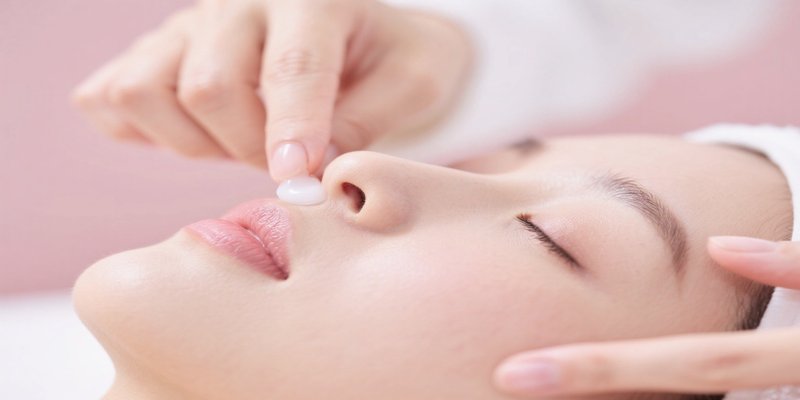
There is more to vitamin C serums than just grabbing any bottle. For maintaining brightening results after cosmetic procedures, introduce vitamin C after the initial healing phase is complete. Typically this means two to three weeks after microneedling, three to four weeks after chemical peels, and four to six weeks after laser treatments.
Vitamin C in the form of L ascorbic acid inhibits tyrosinase. This is the enzyme responsible for melanin production. It is the most effective topical ingredient for preventing post inflammatory hyperpigmentation that can follow cosmetic procedures. SkinCeuticals CE Ferulic at 15 percent concentration is the clinical gold standard. Its combination of vitamin C, vitamin E, and ferulic acid provides synergistic antioxidant protection.
Gentler Options and How to Apply
For sensitive or post procedure skin, Mad Hippie Vitamin C Serum uses a gentler derivative called sodium ascorbyl phosphate. It is less likely to cause irritation. Apply vitamin C serum in the morning under sunscreen. The two work together to protect against UV induced pigmentation. Consistent daily use prevents the fading of brightening results from procedures like chemical peels and IPL photofacials.
One critical tip: store your vitamin C serum in a cool, dark place. The refrigerator is ideal. Heat and light cause oxidation, which turns the serum brown and renders it ineffective. If your serum has turned dark amber or orange, throw it away. It will not work and may irritate your skin.
Sculpting and Defining
CoolSculpting, Kybella, and Sculptra
Non invasive body contouring has advanced significantly. Technologies now target fat reduction, skin tightening, and muscle toning without surgery. CoolSculpting uses cryolipolysis to freeze fat cells. The body naturally eliminates these cells over eight to twelve weeks. It is FDA cleared for the abdomen, flanks, thighs, and submental area.
Sculptra and Kybella address different concerns. Sculptra stimulates collagen production to improve skin laxity. It works best for mild to moderate sagging. Kybella dissolves fat under the chin through synthetic deoxycholic acid injections. You typically need two to four sessions spaced one month apart. Swelling after Kybella is significant, so schedule sessions before a long weekend.
Emsculpt and Combination Protocols
For muscle toning, Emsculpt uses high intensity focused electromagnetic energy. It induces muscle contractions equivalent to thousands of crunches in a 30 minute session. The sensation is strange but not painful. Most people need four sessions over two weeks for visible results.
The most significant advancement is combination body contouring. This pairs fat reduction with skin tightening in the same treatment plan. A common protocol combines CoolSculpting with radiofrequency skin tightening using devices like Thermage. Do CoolSculpting first. Wait three months for full fat reduction. Then do radiofrequency to tighten the remaining skin.
Expectations
Results are subtler than surgical options. A tummy tuck removes loose skin and fat in one go. Non invasive contouring reduces fat by about 20 to 25 percent per session. But the trade off is zero downtime and significantly lower risk. You can return to work the same day. One tip: maintain a stable weight for three months before any body contouring procedure. Weight changes afterward can alter your results.
Most Read
Anti-aging Serums: Which Ones Actually Work
Why More Men Are Getting Cosmetic Procedures

Earlobe Repair: Fixing Stretched or Torn Ears

The Return of 90s Hairstyles: Claw Clips and Braids

How to Achieve the Viral French Girl Hair Look: Essential Hair...